Elevate Bottle Elevate Bottle

Top 10 Types of Lid Design for Easy Opening and Closing?

Time:2026-09-25 Author:Aria
0%

A lid should open without a struggle, close with confidence, and suit the product inside. Yet “easy” is not the same for every user. A small twist cap may work well for one person and frustrate someone with wet hands or limited grip strength. The details matter: the rim’s texture, the force needed to release a seal, and the sound or feel of closure. Small choices. Real consequences.

This guide explores 10 lid designs, from flip-top and screw caps to press-on and hinged options. Each has trade-offs in access, sealing, cleaning, and everyday handling. Don Norman, a cognitive scientist and design author, observed, “Good design is actually a lot harder to notice than poor design.” His point applies here: a well-designed lid often feels simple because its details work together. To Optimize the lid design for easy opening and closing, manufacturers need to consider the user, the container, and how the product is handled in real settings. A design that works on a clean prototype may behave differently with cold fingers or a slippery surface. That gap deserves attention. Not every lid can satisfy every need, but careful testing can reveal where opening becomes awkward and where closure feels uncertain.
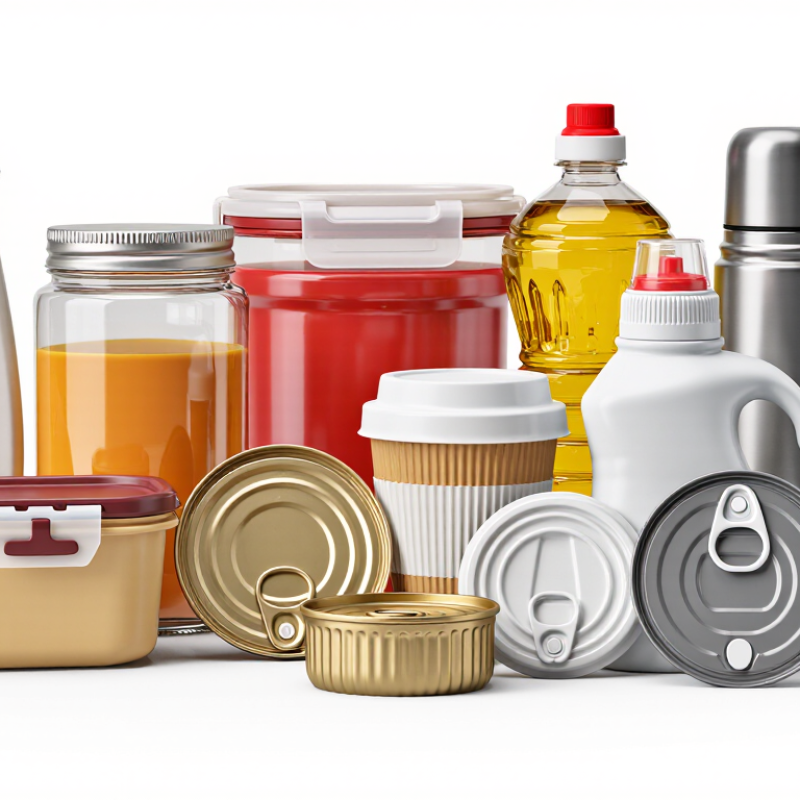
Top 10 Types of Lid Design for Easy Opening and Closing?

What Makes a Lid Easy to Open and Close?

A lid feels easy to use when its shape, grip, and resistance work together. A broad tab gives fingers room to lift without pinching. A textured edge helps when hands are damp or slippery. Small details matter. Even a few millimeters of extra clearance can make a noticeable difference for someone with limited finger strength.

The closing action matters just as much. A lid should align without repeated nudging, then settle with a clear, gentle click or other tactile cue. Too much resistance can make a tight seal frustrating; too little may leave users unsure whether it is secure. For screw-top designs, shallow, well-spaced ridges can improve grip, while hinged lids benefit from a smooth pivot that stays open during use. The best balance depends on the container, its contents, and how often it is handled.

Good design also avoids forcing users to guess. Contrasting surfaces or a visible opening tab can show where to begin, while rounded edges reduce discomfort during repeated use. Still, one solution will not fit every hand or setting. A lid that works well on a dry kitchen counter may be awkward with wet fingers. Testing prototypes with different users often reveals small problems designers miss—and some fixes are less obvious than expected.

Hinged, Flip-Top, and Screw-On Lid Designs

Hinged lids stay attached to the container, so they are less likely to be misplaced between uses. They work well on tubs and boxes, especially when one hand is busy. But hinge stiffness matters: a lid that snaps shut firmly can be awkward for someone with limited grip strength.

Flip-top lids offer quick access to liquids, powders, and personal-care products. A thumb press opens them; a clear snap helps confirm closure. Product residue can collect around the hinge, though, and make opening less smooth.

Small detail. Smithers’ report The Future of Global Packaging to 2028 valued the global packaging market at about $1.05 trillion in 2023 and projected roughly $1.22 trillion by 2028. That scale makes everyday opening and resealing choices worth careful testing.

Screw-on lids use threaded closures to create a dependable seal, making them useful for bottles and jars carried in bags. They are reusable, but cross-threading can frustrate users, and a tight cap may demand more hand strength than expected.

Designers can improve the feel with deeper grip ribs, clear thread starts, and torque testing across different users. A hinge may feel effortless on day one, then stiffen after repeated use; lab checks do not always capture sticky fingers or rushed mornings.

The best choice depends on the product, the user, and how often the package is opened.

Snap-On, Press-Fit, and Twist-Off Lid Designs

Snap-on lids suit tubs and shallow containers where quick access matters. A flexible rim clicks over the edge, giving a clear tactile cue when seated. Press-fit lids instead rely on a close, even friction seal. They work well on trays, but can be awkward when fingers are wet or the fit is too tight. Twist-off lids use threads, so users can apply gradual force and reseal them repeatedly. Small detail. Big difference.

Smithers’ report The Future of Global Packaging to 2028 valued the global packaging market at about US$1.05 trillion in 2023. That scale makes closure usability more than a finishing choice: it affects everyday handling across many formats. In practical testing, check opening force, reclosure, and whether the lid stays aligned after repeated use. A snap-on edge should not require a hard palm strike. A twist-off design needs enough grip texture for damp hands. Press-fit lids can be tidy, but a tight fit may frustrate users with limited hand strength. No single style wins everywhere. Even a clean-looking lid can fail in use. Test it with the actual container, contents, and intended users.

Sliding, Lever-Operated, Push-Button, and Latch Lids

Sliding lids move along a track, making them useful when overhead space is limited. A well-fitted track helps the lid stay aligned, even with frequent use. A smooth slide matters. If crumbs or dried residue collect in the channel, movement can become stiff. Lever-operated lids use a handle to lift or release the cover. They can suit containers that need a firm seal, but the lever should move without excessive force. Check that fingers have room around the handle.

Push-button lids open when a button releases a catch or spring mechanism. They are convenient when one hand is busy, though small buttons may be difficult to press with wet or gloved fingers. The release should feel clear, not vague. Latch lids use a hinged clasp that secures the lid against its rim. They often provide a reassuring closure, but a tight latch can be awkward for children or anyone with limited hand strength. Small details count.

Tips: Test the opening motion before choosing a lid. Try it with one hand, and check whether the lid stays open or slides back unexpectedly. Look for smooth edges, a stable hinge, and parts that are easy to clean. A mechanism that feels sturdy in a showroom may loosen over time, so inspect moving parts regularly.

Top 10 Types of Lid Design for Easy Opening and Closing: Sliding, Lever-Operated, Push-Button, and Latch Lids
Lid Type How It Opens How It Closes Main Advantages Practical Considerations Common Applications
Sliding Lid Slides along a track or groove to uncover an opening. Slides back until the opening is covered; some designs include a stop or detent. Can be operated with one hand and does not require a separate lid to be removed. Tracks can collect dirt or residue, and the lid may not provide an airtight seal without a gasket. Storage boxes, access panels, trays, and some beverage or food containers.
Lever-Operated Lid A lever is lifted or pressed to release a closure or raise the lid. The lid is lowered and the lever is returned to its locked position. Provides mechanical advantage and can make a tight closure easier to release. Moving parts need sufficient clearance and may require occasional cleaning or adjustment. Equipment covers, containers with locking closures, and some appliance lids.
Push-Button Lid Pressing a button releases a catch, allowing the lid to open manually or spring upward. Lower the lid until the catch engages; some models require a button press to release it again. Quick to operate and often convenient for one-handed use. The catch and spring mechanism can wear, and the button should be protected from accidental presses. Small storage containers, dispensers, cases, and household products.
Latch Lid A latch is lifted, pulled, or released to free the lid. The lid is seated and the latch is fastened over a catch or rim. Creates a positive mechanical hold and can be easy to inspect visually. Some latches require two hands; seal quality depends on the lid, gasket, and latch pressure. Toolboxes, transport cases, storage bins, and equipment enclosures.
Screw-On Lid Turns counterclockwise to disengage the threaded connection. Turns clockwise until seated; a liner or gasket may help form a seal. Simple, familiar, and capable of providing a secure closure when properly designed. Usually requires multiple turns and can be difficult to open with wet hands or limited grip strength. Bottles, jars, canisters, and many general-purpose containers.
Snap-Fit Lid A tab or edge is pulled upward to flex the lid and release its retaining rim. The lid is pressed down until the rim snaps into place. Fast to close and does not need a separate tool or threaded movement. Repeated flexing can fatigue some materials; a snap fit alone does not guarantee an airtight seal. Food tubs, small parts boxes, and reusable or disposable containers.
Hinged Flip-Top Lid The front edge is lifted and the lid pivots on an attached hinge. The lid is rotated down and pressed shut, often until a tab clicks into place. The lid stays attached, reducing the chance of losing it and allowing quick access. The hinge and closure tab are wear points; the hinge area may need cleaning. Dispensing caps, small storage containers, and personal-care packaging.
Twist-Lock Lid A short turn aligns locking features with release positions. The lid is turned until its tabs engage stops or locking slots. Can secure a lid with less rotation than a conventional screw thread. Correct alignment matters, and wear or debris can affect engagement. Containers and covers that need a quick, removable mechanical lock.
Bayonet-Style Lid Tabs are aligned with entry slots, then the lid is turned to release it. The tabs are inserted into slots and turned behind retaining shoulders. Offers a secure quarter-turn-style connection and allows rapid removal. Requires the tabs and slots to be aligned; sealing performance depends on the added gasket or sealing surface. Equipment housings, access covers, and selected containers.
Toggle-Clamp Lid A hinged handle is moved past its center point to release the clamp force. The handle is pulled over center to draw the lid firmly against its seat. Can apply consistent clamping force and is convenient when frequent access is needed. Can protrude beyond the container and requires suitable space around the closure. Reusable containers, equipment enclosures, and vessels with gasketed lids.

How to Choose a Lid Design for Its Intended Use

Choosing a lid starts with the product’s daily use, not its appearance. A screw lid suits liquids needing a tight seal during transport. A snap-fit lid works well for quick access and repeated opening. Flip-top and hinged designs help users open containers with one hand. Slider lids fit dry goods, especially when controlled pouring matters.

Consider the user’s grip, strength, and surroundings. A wide press-on lid may help someone wearing gloves. A spout lid can reduce spills beside a kitchen sink. Vented lids release pressure from hot contents, but their openings need careful cleaning. Clamp lids provide strong closure for storage, although they may feel difficult for users with limited hand movement. Lift-off lids offer simple access, yet they can fall or become misplaced.

Test the lid with the real contents. Oil may expose weak seals. Powder can collect around threads. A thick sauce may block a narrow opening. I once preferred a sleek slider design, but residue made it frustrating after several uses. That experience changed my selection process. I now check opening force, leak resistance, cleaning time, and closure feedback. The lid should close clearly without requiring excessive pressure. Small details matter. A textured edge can improve grip, while a visible seal line can reassure users. However, added parts may increase cost, assembly errors, and maintenance needs. The best design depends on who opens it, where they use it, and how often they clean it.

FAQS

When is a hinged lid a good choice?

It stays attached, so it is less likely to get lost. It can help when one hand is busy. Check the hinge stiffness.

What makes a flip-top lid useful?

A thumb press gives quick access to liquids, powders, or personal-care products. A clear snap signals closure. Residue can collect near the hinge.

Are screw-on lids suitable for bottles carried in bags?

Their threaded closure can provide a dependable seal. Deeper grip ribs may help users open them. Cross-threading is frustrating.

How should I choose a lid for dry goods?

A slider can support controlled pouring. Powder may collect around its edges or threads. I would test cleanup, not just pouring.

What should I consider for users with limited grip strength?

Try the lid with different hands and grip strengths. Tight caps and stiff hinges may be difficult. Small details matter.

How can a lid reduce spills?

A spout may help near a kitchen sink. A screw lid can secure liquids during transport. Test it with the actual contents.

When are vented or clamp lids useful?

Vented lids release pressure from hot contents, but their openings need careful cleaning. Clamp lids close firmly. They may be hard to operate.

What should I test before choosing a design?

Check opening force, leak resistance, cleaning time, and closure feedback. Oil can expose weak seals; thick sauce can block narrow openings. Lab tests may miss rushed mornings. I still find that easy to overlook.

Conclusion

An easy-to-use lid should balance secure sealing with smooth, intuitive operation. Key factors include the force required to open or close it, grip comfort, accessibility, seal reliability, and resistance to accidental opening. Hinged, flip-top, and screw-on lids offer different experiences: hinged and flip-top styles allow quick access, while screw-on designs provide dependable closure. Snap-on, press-fit, and twist-off lids can simplify assembly and removal when properly matched to the container and its contents.

For more specialized applications, sliding lids support controlled access, lever-operated designs improve mechanical advantage, push-button lids enable convenient one-handed use, and latch lids add a clear locking function. When selecting a design, consider the product’s purpose, opening frequency, user abilities, container material, environmental conditions, and cleaning requirements. Optimize the lid design for easy opening and closing by combining practical ergonomics, appropriate sealing strength, durability, and simple visual or tactile feedback.

Aria

Aria

Aria is a dedicated marketing professional with a deep passion for innovative strategies and a keen understanding of our company's product offerings. With a wealth of experience in the industry, Aria excels at crafting engaging content that highlights the unique features and benefits of our......