Elevate Bottle Elevate Bottle

Reduce BPA in Plastic Drinking Bottles for Safer Choices?

Time:2026-08-31 Author:Henry
0%

Plastic drinking bottles are commonplace in our daily lives. However, concerns over their safety continue to rise. One of the primary concerns is Bisphenol A (BPA), a chemical found in many plastics. Research indicates that BPA can leach into beverages, posing potential health risks.

To ensure the safety of consumers, it is essential to explore ways to reduce the BPA content in plastic drinking bottles. This matter matters to everyone, especially parents and health-conscious individuals. The alarming effects of BPA exposure on hormonal functions and child development have been noted in various studies. Awareness around this issue is growing, and immediate action is needed.

While some manufacturers have made strides, not all products are safe. Many companies still use BPA in their production processes. We must demand transparency in product labeling. As consumers, we have the power to push for better standards. Reducing BPA in our drinking bottles can lead to healthier choices and a safer environment for everyone.
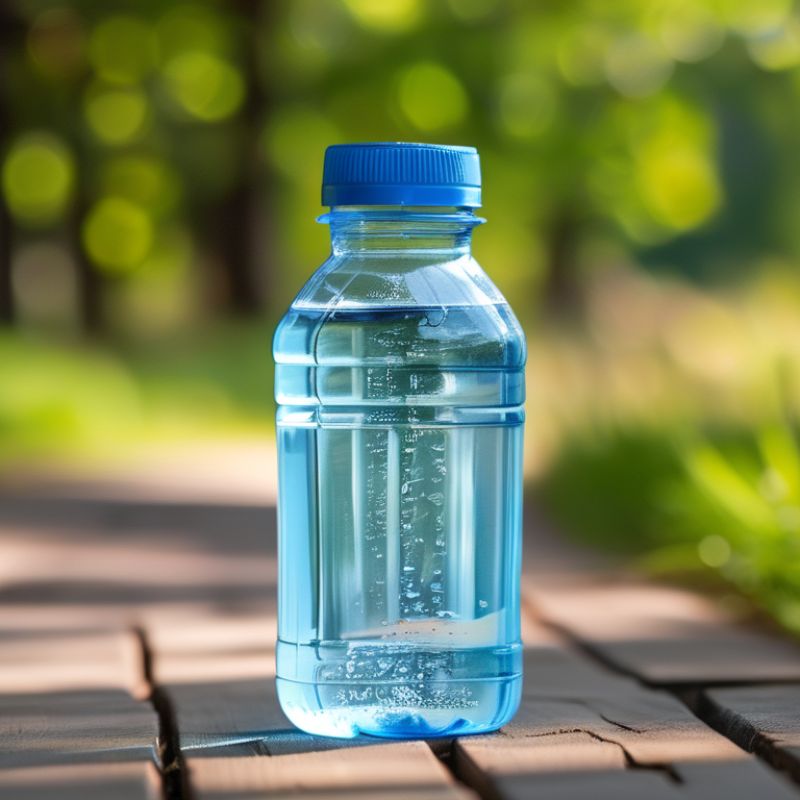
Reduce BPA in Plastic Drinking Bottles for Safer Choices?

The Chemical Structure and Function of BPA in Plastics

BPA, or bisphenol A, is a chemical commonly found in plastics. Its structure consists of two phenol rings joined by a propane bridge. This unique configuration allows BPA to play a crucial role in making plastics more durable and clear. Many industries utilize BPA to enhance the strength and flexibility of various plastic products, including drinking bottles.

However, recent studies highlight potential health risks associated with BPA. Laboratory tests indicate that BPA may disrupt endocrine functions. This disruption can lead to various health issues, including reproductive problems and developmental disorders. As consumers become more aware of these risks, some are questioning the safety of using plastic drinking bottles containing BPA.

Choosing BPA-free alternatives is becoming a popular choice. However, it's challenging to ensure that these substitutes are completely safe. The chemical structures of these substitutes often differ, leading to variations in their potential health impacts. Understanding the chemistry behind BPA and its substitutes can empower consumers to make safer decisions while acknowledging the complexities involved in plastic manufacturing.

Health Risks Associated with BPA Exposure in Consumer Products

BPA, or bisphenol A, is a chemical found in many plastic products, including drinking bottles. Research indicates that BPA can leach into beverages, especially when bottles are heated or scratched. This poses serious health concerns. Studies link BPA exposure to hormonal disruptions, which can affect reproductive health and may increase the risk of certain cancers.

Additionally, BPA's impact on children’s development is alarming. Babies and young children are particularly vulnerable to chemical exposure. High levels of BPA can lead to developmental issues and behavioral problems. Many consumers are unaware that common items, such as bottles and canned goods, may contain this chemical.

Reducing BPA in plastic products is crucial. The current movement toward BPA-free products is gaining momentum. However, the safety of alternative chemicals is still under scrutiny. Consumers need to be vigilant, opting for safer materials like glass or stainless steel. Awareness is key, but the path to truly safe products remains complex.

Regulatory Measures and Standards for BPA in Drinking Bottles

BPA, or bisphenol A, is a chemical commonly found in plastic drinking bottles. This compound has raised health concerns due to its potential effects on human development and hormones. Regulatory measures are crucial in addressing these issues. Many countries have imposed strict standards on BPA levels in consumer products, especially those intended for food and drink.

In the United States, the FDA has taken steps to reduce BPA exposure. They have banned BPA use in baby bottles and sippy cups. However, regulations vary globally. In Europe, the European Union has established lower acceptable limits for BPA in packaging. This inconsistency poses challenges for consumers trying to make safer choices.

While regulations exist, some plastic products still contain BPA. This situation calls for more robust enforcement and clearer labeling. Consumers often remain unaware of the BPA content in bottles they use daily. It’s essential to rethink how we evaluate plastic safety and push for wider adoption of BPA-free materials. Awareness and informed choices can lead to safer drinking habits.

Alternatives to BPA: Safer Materials for Plastic Bottles

BPA, or bisphenol A, is a chemical commonly found in plastics. It is linked to various health issues, prompting a demand for safer alternatives. Many consumers are now questioning the safety of plastic drinking bottles. Research indicates that BPA exposure may lead to reproductive disorders and metabolic diseases. In light of this, new materials are emerging as viable substitutes for traditional plastics.

One promising alternative is Tritan™, a copolyester that is free of BPA and other harmful chemicals. Laboratories have tested Tritan for safety and found it maintains clarity and durability while minimizing health risks. According to a study published in the *Journal of Environmental Health*, Tritan showed no estrogenic activity. This characteristic makes it a favorable option for manufacturers seeking to package beverages safely.

Other alternatives include polyethylene and polypropylene, which are widely used for food packaging. These materials do not leach harmful chemicals when exposed to heat or acidic substances. A report from the *National Institutes of Health* suggests that such plastics can significantly reduce consumer exposure to harmful substances. However, it’s essential to remain critical of the environmental impacts. Recycling options for these plastics are limited, and improper disposal can lead to broader environmental issues. The materials might be safer, but their ecological footprint needs attention.

Reduce BPA in Plastic Drinking Bottles for Safer Choices? - Alternatives to BPA: Safer Materials for Plastic Bottles

Material BPA Content Durability Recyclability Safety Rating
Polyethylene Terephthalate (PET) BPA-Free High Yes A
High-Density Polyethylene (HDPE) BPA-Free Medium Yes A
Polypropylene (PP) BPA-Free High Yes A+
Glass BPA-Free Very High Yes A+
Stainless Steel BPA-Free Very High Yes A+

Consumer Awareness and Action: Reducing BPA Consumption in Daily Life

Plastic drinking bottles have become ubiquitous, but they can contain BPA, a chemical that raises health concerns. Awareness about BPA is growing. Consumers are becoming more conscious of what they drink from daily. It's important to consider safer options for our health and the environment.

Many people may not realize that BPA can leach into beverages, especially when bottles are heated. Look for alternatives like stainless steel or glass bottles. These materials do not pose the same risks as plastic. Also, consider checking labels. Products marked “BPA-free” can provide peace of mind.

Reducing BPA consumption involves small actions. Start by switching out old plastic bottles. Choose fresh ones made of safer materials. Remember, it's okay to occasionally slip up in this journey. Awareness is a crucial first step. Together, we can make more informed choices and push for transparency in product labeling. Every small change adds up.

Reduce BPA in Plastic Drinking Bottles for Safer Choices

This chart illustrates the trends of BPA awareness and consumption in plastic drinking bottles among consumers from 2018 to 2023. It shows how consumer awareness has increased while the usage of BPA-containing products has gradually declined due to rising health concerns.

FAQS

: What is BP

?

How does BPA affect health?

BPA can disrupt hormones, impacting reproductive health and increasing cancer risks.

Who is most vulnerable to BPA exposure?

Babies and young children are particularly at risk from BPA.

What are safer alternatives to BPA-containing products?

Consider using glass or stainless steel instead of plastic bottles.

How does BPA leach into beverages?

BPA can leach into drinks when bottles are heated or scratched.

What should I look for when buying products?

Opt for items labeled "BPA-free" to reduce health risks.

Can I make small changes to reduce BPA exposure?

Yes, start by replacing old plastic bottles with safer options.

Is there a movement towards BPA-free products?

Yes, there is a growing trend for BPA-free options, but safety varies.

Is it easy to avoid BPA altogether?

Avoiding BPA can be challenging, but awareness is a crucial first step.

How can consumers advocate for safer products?

Pushing for transparency in labeling helps promote safer choices in the market.

Conclusion

The article titled "Reduce BPA in Plastic Drinking Bottles for Safer Choices?" explores the chemical structure and function of bisphenol A (BPA) in plastics, highlighting the potential health risks associated with exposure to this chemical in consumer products. It emphasizes the importance of reducing the BPA content in plastic drinking bottles, as studies link BPA exposure to various health issues. The discussion extends to regulatory measures and standards aimed at limiting BPA in consumer products, as well as alternative materials that can be used to create safer plastic bottles.

In addition, the article underscores the role of consumer awareness and action in reducing BPA consumption in daily life. By understanding the implications of BPA exposure and advocating for safer alternatives, consumers can make informed choices and contribute to a healthier environment. Overall, it is crucial to reduce the BPA content in plastic drinking bottles to promote safer options for consumers and protect public health.

Henry

Henry

Henry is a dedicated marketing professional with a profound expertise in the company's offerings. With years of experience in the industry, he possesses an impressive understanding of the market dynamics and consumer behaviors that drive success. Henry is committed to sharing his insights through......