In the world of stainless steel bottles, corrosion resistance is critical. According to Dr. Emily Chen, a leading materials scientist, "Enhancing the corrosion resistance of stainless steel bottles can greatly extend their lifespan and usability." This sentiment underscores the importance of addressing corrosion in various environments, from urban settings to outdoor adventures.
Stainless steel offers superior durability compared to plastic. However, even stainless steel bottles are vulnerable to corrosion under certain conditions. Factors like saltwater or acidic liquids can significantly impact their longevity. Many manufacturers are exploring innovative techniques to enhance the corrosion resistance of stainless steel bottles. These advancements are crucial for maintaining the integrity of the bottles over time.
While improvements are promising, not every solution is foolproof. For instance, some coatings may wear off quicker than expected. This realization invites ongoing investigation into materials and techniques. Effective strategies are essential to ensure that these bottles remain safe and functional for users in diverse situations. Enhancing the corrosion resistance of stainless steel bottles requires a commitment to research and development tailored to real-world applications.
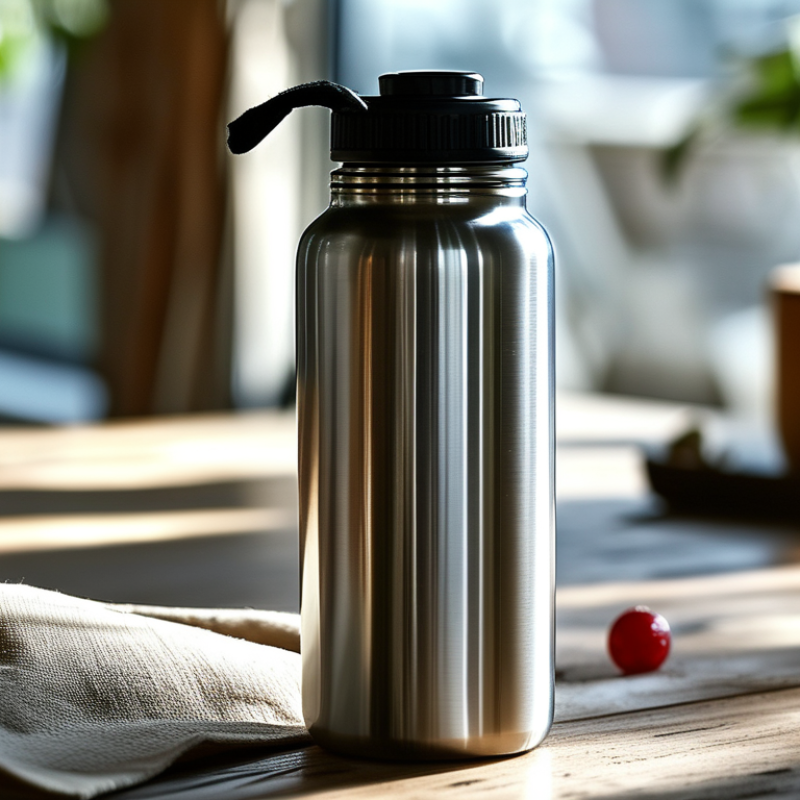
Types of Corrosion Affecting Stainless Steel Bottles
When it comes to corrosion, stainless steel bottles face several challenges. Pitting corrosion is one of the most common types. It creates small pits on the surface, often triggered by chloride exposure. This can occur when bottles are used for salty liquids. The tiny pits may develop into larger holes if not addressed. Crevice corrosion is another concern, which happens in confined spaces. This might occur under bottle caps or between seams. These areas are often hard to inspect and can harbor corrosive agents.
Another form of corrosion is intergranular corrosion. It attacks the grain boundaries of stainless steel, weakening the structure. Factors such as heat treatment can exacerbate this issue. Additionally, galvanic corrosion occurs when stainless steel is in contact with a more noble metal. This can lead to accelerated deterioration. Users need to keep these risks in mind while handling their bottles.
The good news is that proper care can minimize these problems. Regular cleaning with mild detergents helps maintain the surface. Avoiding exposure to harsh chemicals is also crucial. Yet, even with careful maintenance, some wear over time is natural. Being aware of these corrosion types allows users to make informed choices. By doing so, they can ensure the longevity and safety of their stainless steel bottles.
Factors Influencing Corrosion Resistance in Stainless Steel
Corrosion resistance in stainless steel bottles is influenced by several key factors. One major factor is the alloy composition. Stainless steel typically includes chromium, which forms a protective oxide layer. According to industry reports, at least 10.5% chromium is essential for effective corrosion resistance. However, variations in alloying elements, such as nickel and molybdenum, can enhance performance against specific corrosive environments.
Another critical aspect is surface finish. A polished or passivated surface can significantly improve corrosion resistance. Studies show that smoother surfaces reduce the potential for pitting and crevice corrosion. For instance, a study highlighted that bottles with a mirror finish had 20% better resistance in saline environments than those with a rough finish.
Environmental conditions also play a role. High humidity and exposure to chlorides can accelerate corrosion. A research publication noted that bottles left in humid areas exhibited a 30% increase in corrosion rates compared to those stored in dry conditions. Awareness of these factors is essential for optimizing the lifespan and functionality of stainless steel bottles.
Techniques to Enhance Corrosion Resistance in Stainless Steel
Corrosion resistance in stainless steel bottles is crucial for long-term performance. Factors like alloy composition and surface treatment play significant roles. A report from the International Stainless Steel Forum indicates that about 70% of stainless steel corrosion issues arise from improper surface conditions. Enhancing the surface finish can significantly improve resistance to pitting and crevice corrosion. Techniques such as electropolishing create a smoother surface, reducing potential sites for corrosion initiation.
Another method involves the use of passivation treatments. This process enhances the natural oxide layer that protects stainless steel. Studies show that passivation can increase corrosion resistance by up to 50%. Additionally, diamond-like carbon (DLC) coatings offer an innovative approach. Their extreme hardness and low friction properties enhance resistance to wear and corrosion simultaneously. However, the application of these coatings requires specialized equipment, leaving an opportunity for improvement in accessibility and cost-effectiveness.
It is important to note that not all stainless steel is created equal. For instance, low-quality alloys may not provide the expected corrosion resistance even with surface treatment. Testing the corrosion resistance of various materials in different environments remains essential. Industry professionals acknowledge that ongoing research and development are needed to improve existing techniques and materials for better performance.
Coatings and Treatments for Improved Durability
Corrosion resistance in stainless steel bottles is crucial for long-term use. Specialized coatings enhance durability significantly. These coatings create a protective barrier against environmental factors. Common coatings include epoxy and polyurethane, which resist scratches and chemical exposure. Such treatments improve the lifespan of the bottles, yet they can be costly.
Surface treatments, like passivation, remove free iron from stainless steel. This process increases corrosion resistance by enhancing the natural oxide layer. Another method, ion plating, uses heat to bond metal ions to the surface. This results in a hard and glossy finish. While these techniques offer benefits, they may not be effective against all corrosion types.
Regular maintenance is vital, even with coatings. Users should clean bottles properly to avoid buildup that can lead to corrosion. Some treatments wear off over time, requiring resealing or reapplication. Periodic inspection helps identify any signs of wear early. Considering all factors can help improve the overall lifespan and performance of stainless steel bottles.
Maintenance Tips for Prolonging Stainless Steel Bottle Lifespan
To prolong the lifespan of stainless steel bottles, regular maintenance is essential. Rinse your bottle with warm water after each use. This simple step removes residues that can lead to corrosion. Avoid leaving liquids in the bottle for extended periods. This practice helps prevent any unwanted buildup.
Occasionally, use a mixture of vinegar and baking soda for a deeper clean. Pour this solution into the bottle, let it sit for a few hours, and then rinse thoroughly. This method can effectively tackle stubborn stains. Dry the bottle completely after washing to avoid moisture traps. Inspect for scratches and dents regularly—these can harbor rust.
Also, be careful with abrasive cleaners. They can damage the surface, making it more susceptible to corrosion. Consider using a microfiber cloth for gentle scrubbing. A little wear is normal, but serious damage should be addressed promptly. Treat your stainless steel bottle with care, and it will reward you with longevity.
FAQS
: The alloy composition, especially the chromium content, is a major factor affecting corrosion resistance.
A polished or passivated surface can significantly enhance corrosion resistance compared to rough surfaces.
High humidity and exposure to chlorides can accelerate corrosion rates in stainless steel bottles.
Electropolishing creates a smoother surface, reducing potential sites for corrosion initiation.
Passivation treatments can enhance the natural oxide layer, increasing corrosion resistance by up to 50%.
Yes, they offer high hardness and low friction, enhancing both wear and corrosion resistance.
They may lack sufficient alloying elements, leading to inadequate corrosion protection even with surface treatments.
Yes, continuous research is essential to improve techniques and materials for better corrosion resistance.
Yes, storing stainless steel bottles in dry conditions can significantly lower corrosion rates.
Yes, specialized equipment needed for coatings like DLC may limit accessibility and increase costs.
Conclusion
To enhance the corrosion resistance of stainless steel bottles, it is essential to understand the various types of corrosion that can affect them, such as pitting, crevice corrosion, and stress corrosion cracking. Key factors influencing corrosion resistance include the composition of the stainless steel, the presence of moisture, and environmental conditions. Various techniques and treatments can significantly improve the durability of stainless steel, including passivation processes that create a protective oxide layer and the application of specialized coatings.
Regular maintenance also plays a crucial role in prolonging the lifespan of stainless steel bottles. Simple practices like thorough cleaning, avoiding harsh chemicals, and ensuring proper drying can prevent the onset of corrosion. By implementing these strategies, one can effectively enhance the corrosion resistance of stainless steel bottles, ensuring they remain functional and visually appealing for years to come.
 Elevate Bottle
