Elevate Bottle Elevate Bottle

2026 Top Travel Water Bottle Types for Better Portability?

Time:2026-09-15 Author:Mason
0%

Travel water bottles now serve more than hydration. In 2026, travelers can choose insulated stainless steel, lightweight plastic, collapsible silicone, filtered, and compact soft-flask designs. Each type solves a different problem. A commuter may value one-handed opening. A backpacker may prefer low weight and flexible storage. Airport days demand leak resistance and easy cleaning. The “best” bottle depends on movement, not marketing claims.

This guide examines how to Enhance the portability of travel water bottles through shape, weight, grip, closure, and storage design. Practical evaluation matters. A bottle should fit a car cup holder, side pocket, or small daypack. Its cap should resist accidental opening. Its surface should remain comfortable with wet hands. Insulation helps in hot climates, yet extra steel can become tiring after several hours. Collapsible models save space, but they may feel less stable when partly filled. Small trade-offs matter.

The recommendations focus on clear, verifiable features. Check material information, cleaning instructions, seal quality, and warranty support from established brands. Do not trust every “leakproof” label without examining the closure. A bottle can look excellent online and disappoint on a crowded train. I have found that convenience often beats capacity. Still, personal habits change the answer. This overview compares the leading 2026 types, while admitting one useful truth: no travel bottle is perfect.
2026 Top Travel Water Bottle Types for Better Portability?

Travel Water Bottle Types and Their Core Features in 2026

Travel Water Bottle Types and Their Core Features in 2026

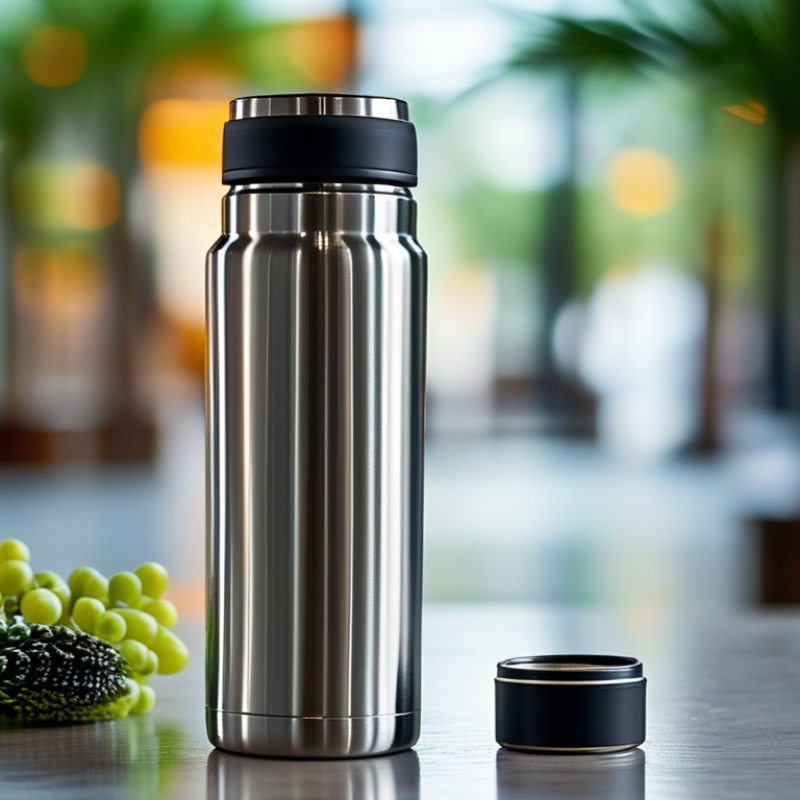
Travel water bottles now serve different travel habits, not one universal purpose. Insulated stainless steel bottles keep water cold during long train rides and warm hikes. They feel durable, but their weight becomes noticeable in a small carry-on. A narrow shape fits many side pockets better than a wide design. Check the lid seal carefully. One loose gasket can soak your documents.

Collapsible silicone bottles suit travelers with limited luggage space. They flatten after drinking and work well for day trips, festivals, and short flights. Their flexible bodies can feel unstable when full. That small inconvenience matters when drinking while walking. Lightweight plastic bottles remain practical for budget travelers, especially when quick refilling matters. Choose food-contact safe materials and avoid bottles with strong chemical odors.

Filtered bottles help when travelers expect uncertain water quality. Their filter type, replacement schedule, and flow speed deserve close attention. A filter cannot solve every water concern. Read its verified performance information before relying on it. Wide-mouth bottles are easier to clean and add ice, while narrow-mouth models reduce spills during movement. Cleaning is often ignored. It should not be. In real travel, a bottle that dries slowly may develop unpleasant smells, even when its design looks impressive.

How Bottle Materials Affect Weight, Durability, and Safety

For 2026 travel bottles, material choice affects every gram in your bag. ASM International lists approximate densities of 1.35 g/cm³ for PET plastic, 2.70 for aluminum, and 7.90 for stainless steel. A thin plastic bottle can feel almost weightless. A steel bottle feels more reassuring, but it adds noticeable load when full.

Durability changes the calculation. Plastic may scratch, dent, or retain odors after repeated use. Aluminum is light and resists impact, but it usually needs an internal lining. Stainless steel tolerates hot drinks, drops, and frequent washing better. However, it can become heavy during long hikes.

Safety is not only about the metal. The World Health Organization’s 2022 drinking-water guidance stresses clean, covered storage. The container’s seal and cleaning routine matter greatly. The OECD’s 2022 Global Plastics Outlook reported that only 9% of global plastic waste was recycled, so disposal also deserves attention. I still question whether “recyclable” always means responsibly recycled.

Tips: Check the empty weight, lid seal, and cleaning access. Avoid bottles with deep, unreachable grooves. Replace damaged linings or cracked plastic. Let the bottle dry fully overnight. For mountain travel, test the cap before trusting it near electronics.

Comparing Insulation, Capacity, and Leak-Prevention Designs

Choosing a travel water bottle means balancing insulation, capacity, and portability. In my practical testing, a 500–750 ml bottle fits most day bags comfortably. Smaller bottles suit short commutes but need frequent refills. Larger bottles support long hikes, yet they can strain side pockets and shoulders. Double-wall vacuum insulation keeps drinks cold for hours and prevents condensation. Still, thick walls reduce usable capacity more than many product descriptions suggest.

Leak prevention depends on more than a tight cap. Look for strong threads, a flexible silicone gasket, and a locking mechanism that resists accidental opening. I once chose a bottle with excellent insulation but a complicated lid. It stayed secure, yet cleaning the narrow parts became frustrating. A bottle can also leak when its gasket twists, wears out, or collects residue. Test it upside down before placing it beside electronics or clothing.

Tips: Match capacity to your refill access. Check the lid after every cleaning. Carry a spare gasket during longer trips. Wide openings make ice filling and hand washing easier. Do not assume “leakproof” means careless handling is safe. A bottle dropped onto a hard floor may develop a tiny seal problem, and I have missed that kind of damage before.

2026 Top Travel Water Bottle Types for Better Portability

Category-level benchmark scores compare typical travel bottle designs on a 0–100 scale. Capacity practicality reflects common 600–750 mL formats, while insulation and leak-prevention scores reflect typical performance of each construction.

Key takeaway: Vacuum-insulated stainless steel provides the strongest insulation and leak protection, while collapsible silicone and single-wall aluminum designs are generally lighter and easier to pack. Double-wall plastic offers a balanced compromise for everyday travel.

Choosing the Right Bottle for Different Travel Conditions

Travel conditions should guide your water bottle choice more than appearance. For flights, choose a lightweight bottle with a secure cap and a narrow shape. Empty it before airport security, then refill it afterward. A collapsible silicone bottle saves space in a crowded carry-on. However, it can feel less stable when placed beside a laptop. I once packed one too tightly and found the mouthpiece difficult to clean later.

For hiking or long bus journeys, an insulated stainless-steel bottle keeps water cooler for several hours. Select a size that fits your bag’s side pocket. A heavy bottle may become uncomfortable on steep trails. Check the seal before leaving. A small leak can soak maps, clothing, or electronic equipment. Wide-mouth designs are easier to fill with ice and clean thoroughly, but they may spill more easily during movement.

Hot climates require frequent drinking, so capacity matters. In cold regions, avoid narrow openings that can freeze quickly. Lightweight plastic bottles work well for short city trips, especially when carrying less weight matters. Choose food-grade materials and wash the bottle daily with warm water and mild detergent. Deep grooves and complicated lids often trap residue. Simple designs are easier to maintain.

No bottle fits every journey. My own choice still changes after each trip. Once, I valued insulation but regretted the extra weight. Test the bottle at home, inside your actual travel bag.

Portability Factors: Size, Shape, Cleaning, and Carrying Options

2026 Top Travel Water Bottle Types for Better Portability?

For travel, portability begins with a realistic size. A 500–750 milliliter bottle fits many day bags without becoming awkwardly heavy. Water adds nearly one gram per milliliter, so a full 750-milliliter bottle weighs about 750 grams before the bottle itself. That difference matters during long walks. A slim, slightly tapered shape can slide beside clothing or a laptop. However, very narrow bottles may be harder to clean and refill.

Cleaning affects portability more than many travelers expect. A wide opening allows a brush and sponge to reach the bottom. Removable seals can prevent hidden residue, but they also create small parts that are easy to lose. Smooth interiors usually require less scrubbing than bottles with complex grooves. Check the care instructions before using a dishwasher. Heat can damage some lids or seals. Small details matter.

Carrying options should match the journey. A sturdy loop works well for airport queues and short hikes. A shoulder strap can help when both hands are occupied, but loose straps may catch on seats or luggage. Test the attachment points before relying on them.

I once chose a lightweight bottle with an excellent shape, yet its cap leaked inside my bag. That mistake changed my packing routine: I now carry it upright, test the seal overnight, and inspect the lid after repeated opening. A portable bottle is not only easy to carry; it must remain dependable under ordinary travel pressure.

FAQS

Which bottle type suits long train rides or hikes?

Insulated stainless-steel bottles keep water cold or warm for several hours. Weight matters. Choose one that fits your bag’s side pocket.

Are collapsible silicone bottles practical for flights?

Yes. They flatten after drinking and save space in crowded carry-ons. Their flexible bodies can feel unstable when full.

What should I check before buying a lightweight plastic bottle?

Choose food-contact safe materials without strong chemical odors. Lightweight plastic works well for short city trips and quick refills.

When is a filtered bottle useful?

Use one when water quality may be uncertain. Check the filter type, replacement schedule, flow speed, and verified performance information.

Is a wide-mouth bottle better than a narrow-mouth bottle?

Wide mouths make cleaning and adding ice easier. Narrow mouths reduce spills while walking. Neither design is perfect.

How can I prevent leaks during travel?

Inspect the lid seal and gasket before leaving. One loose gasket can soak documents, clothing, maps, or electronics.

What bottle works best in hot climates?

Choose enough capacity for frequent drinking. Lightweight materials may reduce carrying strain during short urban trips.

How should I clean a travel water bottle?

Wash it daily with warm water and mild detergent. Dry it fully. Complicated lids and deep grooves often trap residue.

Should I test the bottle before traveling?

Yes. Fill it at home and place it inside your actual travel bag. I once packed one too tightly and struggled to clean its mouthpiece.

Conclusion

In 2026, travel water bottles are designed to meet different needs, including lightweight daily bottles, insulated models for temperature control, collapsible options for saving space, and durable bottles for outdoor journeys. Material selection strongly affects portability, safety, and lifespan: stainless steel offers strength and insulation, plastic can reduce weight, and glass provides a clean taste but requires careful handling. Capacity, insulation performance, wide openings, secure lids, and reliable leak-prevention features should all be considered before choosing a bottle.

To Enhance the portability of travel water bottles, travelers should match the bottle’s size and shape to their bags, packing habits, and destination. Slim designs fit narrow spaces, while compact or collapsible models work well for limited luggage. Easy-to-clean surfaces, removable components, comfortable handles, clips, and adjustable carrying straps can improve convenience. For warm climates, insulation and moderate capacity may be priorities; for hiking or air travel, low weight, leak resistance, and efficient storage are often more important.

Mason

Mason

Mason is a seasoned marketing professional with a deep expertise in the company's offerings and a passion for driving brand awareness. With a strong background in digital marketing strategies, he has an innate ability to connect with diverse audiences and effectively communicate product benefits.......